Bathroom Renovation
A bathroom renovation is an excellent way to improve your home’s comfort, functionality, and appearance. Whether you want to update an outdated bathroom, create a luxurious primary suite, or make better use of a small space, working with a professional custom builder can help you bring your vision to life. From the initial design consultation to the final finishing touches, understanding the bathroom renovation process can help you prepare for your project and make informed decisions along the way.
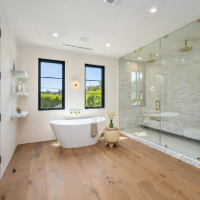
If you are considering a bathroom remodel, knowing what to expect from a custom builder will make the experience more manageable. With proper planning, quality craftsmanship, and clear communication, you can transform your existing bathroom into a space that suits your lifestyle and complements your home.
1. Start With a Bathroom Renovation Consultation
The first step in any successful bathroom renovation is a consultation with your custom builder. During this initial meeting, you will discuss your goals, design preferences, budget, and expectations for the project.
Think about what you want to change about your current bathroom. Are you looking for a larger shower, a freestanding bathtub, additional storage, updated fixtures, or a completely new layout? You may also want to improve lighting, ventilation, or accessibility.
Your builder will evaluate the existing space and discuss which improvements are practical for your home. They may ask about your preferred materials, the number of people using the bathroom, and any features you want to prioritize.
This is also the time to establish a realistic budget and discuss your desired timeline. A detailed conversation at the beginning helps ensure that you and your builder share the same expectations before work begins.
2. Create a Design That Fits Your Needs
Once your goals are established, the design process begins. One advantage of working with a custom builder is the opportunity to personalize your bathroom rather than choosing a standard remodeling package.
Your design may include a spacious walk-in shower, a double vanity, custom cabinetry, upgraded tile, modern lighting, or a soaking tub. If you have a smaller bathroom, your builder can help you explore space-saving solutions that improve storage and functionality without making the room feel crowded.
The design should balance appearance with everyday practicality. For example, selecting appropriate storage can reduce clutter, while well-placed lighting can make grooming tasks easier. Durable, moisture-resistant materials are also important in an environment that regularly experiences humidity and water exposure.
Before approving the final design, review the proposed layout, material selections, and fixture specifications carefully. Changes made during the planning stage are generally easier to manage than changes requested after construction has started.
3. Establish a Clear Budget and Project Timeline
Budgeting is an essential part of the bathroom renovation process. The total cost depends on the size of the bathroom, the materials you choose, the condition of existing plumbing and electrical systems, and whether the layout will change.
A cosmetic update involving paint, fixtures, and new accessories will typically require less work than a complete renovation involving demolition, plumbing relocation, custom cabinetry, and extensive tile installation.
Your custom builder should explain the proposed scope of work and provide a written estimate or contract outlining the included services, materials, payment schedule, and expected project timeline.
It is also wise to set aside a contingency fund for unexpected issues. Once walls, floors, or fixtures are removed, hidden problems such as water damage, deteriorated plumbing, or inadequate framing may become visible.
Ask your builder how additional work will be documented, priced, and approved. Understanding this process before construction begins can help prevent confusion and make it easier to manage your budget.
4. Prepare for Demolition and Construction
After the design and project details are approved, the physical bathroom renovation begins. Depending on the scope of the project, this stage may involve removing existing cabinets, flooring, countertops, tile, bathtubs, showers, and plumbing fixtures.
Your builder should explain which areas will be affected and how the work area will be protected. Dust barriers, floor protection, and proper debris removal can help reduce the impact on the rest of your home.
If the bathroom is used daily, plan for temporary arrangements while construction is underway. If it is your home’s only bathroom, discuss the schedule and available alternatives with your builder before work begins.
Demolition can also reveal issues that were not apparent during the initial inspection. If problems are discovered, your builder should explain the situation, outline possible solutions, and discuss any cost or schedule changes before proceeding with additional work.
Although demolition can make the space look worse before it gets better, it is an important step toward creating a clean foundation for the new design.
5. Expect Plumbing, Electrical, and Structural Work
Once demolition is complete, your builder can address the essential systems behind the walls and beneath the floors.
Depending on your project, this may include replacing plumbing lines, relocating drains, installing new electrical wiring, improving ventilation, or making framing adjustments. Moving a toilet, shower, or bathtub can add complexity because the new layout must accommodate plumbing connections and applicable building requirements.
Proper waterproofing is especially important in showers and other areas exposed to frequent moisture. Your builder should use appropriate waterproofing materials and installation methods to help protect the surrounding structure from water intrusion.
Electrical work may include updated lighting, vanity outlets, exhaust fans, or other features. These installations must comply with applicable electrical codes and safety requirements.
Your builder should coordinate the necessary trades and arrange required inspections where applicable. Although these systems are not always visible in the finished bathroom, they are essential to its long-term performance, safety, and durability.
6. Select Quality Materials and Finishes
One of the most exciting parts of a bathroom remodel is choosing the materials that bring your design together. Your selections will influence the room’s appearance, maintenance requirements, and overall cost.
Popular options include porcelain tile, natural stone, quartz countertops, custom vanities, contemporary faucets, frameless glass shower enclosures, and decorative lighting.
When selecting materials, consider how they will perform in a bathroom environment. Flooring should provide appropriate slip resistance, countertops should suit your maintenance preferences, and shower surfaces should be suitable for repeated exposure to moisture.
You should also consider how the different finishes work together. Coordinating tile colors, cabinetry, hardware, lighting, and plumbing fixtures can create a cohesive appearance without requiring every element to match exactly.
A custom builder can help you compare options and understand how different selections affect your budget. Finalizing materials before construction begins can also help reduce delays caused by unavailable products or last-minute changes.
7. Follow the Installation and Finishing Process
As construction progresses, your bathroom begins to take shape. Depending on the project, this stage may include installing the shower or bathtub, laying tile, fitting cabinetry, connecting plumbing fixtures, mounting mirrors, and completing electrical work.
Attention to detail matters during this phase. Proper tile alignment, clean grout lines, carefully fitted cabinetry, secure fixtures, and neat finishing work all contribute to the quality of the finished bathroom.
Your builder should keep you informed about progress and let you know when important decisions or selections are needed. If you have questions about the work, raise them promptly so concerns can be addressed before the project moves to the next stage.
Remember that installation schedules can be affected by material availability, inspection requirements, and the coordination of different trades. Maintaining open communication with your builder can help you understand any changes and keep the project moving forward.
8. Complete the Final Walkthrough
Before the renovation is considered complete, your builder should walk through the finished bathroom with you. This is your opportunity to review the workmanship, test the fixtures, and identify any outstanding items that need attention.
Check that faucets and drains function properly, the shower operates as expected, cabinetry and drawers open smoothly, and lighting and ventilation systems work correctly. Look over the tile, grout, paint, caulking, and other visible finishes.
Ask about cleaning and maintenance requirements for your selected materials, as well as any warranty documentation and procedures for reporting concerns after completion.
If there is a punch list of unfinished or corrective items, make sure it is documented and that you understand the plan for resolving each item.
A thorough final walkthrough helps confirm that the completed bathroom aligns with the agreed scope of work and gives you an opportunity to ask any remaining questions.
Transform Your Bathroom With a Professional Custom Builder
A successful bathroom renovation involves much more than choosing attractive tile and modern fixtures. It requires thoughtful design, realistic budgeting, careful construction, quality materials, and coordination among skilled professionals.
Working with a custom builder can help you navigate each stage of the process, from the initial consultation through the final inspection. By understanding what to expect and communicating your priorities clearly, you can make informed decisions and create a bathroom that better suits your home and lifestyle.
If you are planning a bathroom renovation, Aspen Homes of TX can be a starting point for exploring home remodeling and construction services in Austin and surrounding Central Texas communities. Visit Aspen Homes of TX to learn more about available services and discuss your project.
With the right planning and professional guidance, your bathroom renovation can turn an outdated or inefficient space into a comfortable, functional, and beautiful part of your home.rials, and working with reputable State builders, you can bring your barndominium dream to life—without breaking the bank.
Bathroom Renovation made easy with Custom Home Builders TX, a local Custom Home Builder Near Me. Visit us to explore all the unique possibilities at Texas Custom Home Builder Services! Want to gather information, inspiration, and guidance for your building project? Check out our Blog: All About Texas Homes. And, if you have any questions, Contact Us At New Home Builders Texas!