Custom Home Building Is A Process
Building a custom home is an exciting opportunity to create a living space that reflects your personal style, meets your family’s needs, and supports your long-term goals. Unlike purchasing an existing house, custom construction allows you to make important decisions about the floor plan, materials, finishes, and features that will shape your home. However, turning your vision into a finished house requires careful planning, coordination, and professional expertise.
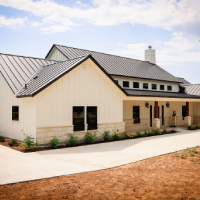
Understanding that custom home building is a process can help you prepare for each stage, establish realistic expectations, and make informed decisions along the way. From selecting a property and designing your home to completing construction and receiving the keys, every phase plays an important role in the final result.
Working with an experienced custom home builder like Aspen Homes of TX can help you navigate these steps and create a home designed around your lifestyle.
1. Establish Your Goals and Budget
The first step in the custom home building process is determining what you want from your new home. Before selecting a floor plan or choosing materials, consider your current lifestyle, future needs, preferred architectural style, and overall budget.
Think about the number of bedrooms and bathrooms you need, whether you want an open-concept kitchen, and how much space you would like for entertaining, working, or relaxing. You may also want features such as a home office, spacious garage, covered patio, or additional storage.
Your budget should account for more than the basic construction cost. Depending on your circumstances, you may need to include land expenses, site preparation, permits, utility connections, landscaping, design fees, and financing costs.
It is also wise to reserve a contingency fund for unexpected expenses.
A clear budget and a list of priorities provide a practical foundation for discussions with your builder and help guide decisions throughout the project.
2. Choose the Right Property
If you do not already own land, the next step is finding a property that suits your plans. Location can affect your lifestyle, construction costs, access to utilities, and the types of homes permitted on the property.
Consider proximity to work, schools, shopping, healthcare, and other services. If you prefer a rural setting, evaluate access roads, water availability, wastewater options, and the cost of connecting utilities.
Before purchasing a lot, investigate zoning restrictions, easements, setbacks, drainage, soil conditions, and any applicable neighborhood or deed restrictions. A property that appears ideal may require additional preparation before construction can begin.
If you already own land, your builder can help evaluate its suitability for your proposed home. Understanding the property’s limitations early can prevent costly surprises later.
3. Design Your Custom Home
Once your goals and property requirements are clear, the design stage begins. This is where your ideas become a practical plan for construction.
You will work through decisions about the home’s size, layout, architectural style, room placement, and overall appearance. Depending on your project, you may work with an architect, residential designer, or your builder’s design team.
Your floor plan should reflect how you intend to use the home. For example, families may prioritize connected living areas, while homeowners who work remotely may want a quiet office away from busy spaces.
Other important considerations include natural light, storage, traffic flow, privacy, and the relationship between indoor and outdoor living areas.
You will also begin considering materials and finishes, such as roofing, siding, flooring, cabinetry, countertops, windows, and fixtures.
Design decisions affect both appearance and cost, so it is important to balance your preferences with your budget. Finalizing the major details before construction begins can help reduce delays and minimize expensive changes.
4. Finalize Plans, Contracts, and Permits
After the design is developed, the project moves toward preparation for construction. Your builder will help establish the scope of work, refine pricing, coordinate the necessary plans, and explain the construction schedule.
Before signing a contract, review the details carefully. Make sure you understand what is included in the price, the payment schedule, allowances for materials, procedures for change orders, estimated completion dates, and warranty provisions.
Ask questions about anything that is unclear, and consider having a qualified attorney review the agreement.
Depending on the location and project, permits and approvals may be required before construction starts. These may involve building plans, site work, utilities, septic systems, or other local requirements.
In Texas, permitting requirements vary by municipality and jurisdiction, so homeowners should confirm the applicable rules for their specific property.
Completing this stage thoroughly helps establish a clear plan for moving forward.
5. Prepare the Site and Build the Foundation
Once the required approvals are in place, construction can begin with site preparation. This stage may include clearing vegetation, grading the land, establishing construction access, and arranging drainage.
Utility connections and other site improvements may also be necessary, depending on the property.
Next comes the foundation. Depending on the home’s design and site conditions, this may involve a slab, crawl space, or another engineered foundation system.
Proper foundation preparation is essential because it supports the structure and helps the home perform as intended. Soil conditions, drainage, engineering requirements, and local building standards all influence this work.
Your builder will coordinate the necessary contractors and inspections as construction progresses.
Although site preparation and foundation work may not be the most visually exciting stages, they provide the groundwork for everything that follows.
6. Complete Framing and Essential Systems
With the foundation completed, the home begins to take shape through framing. Walls, floors, roof structures, and other structural components are installed according to the approved plans.
Windows and exterior doors may then be installed as the building progresses toward being weather-tight.
Plumbing, electrical wiring, heating and cooling systems, and other essential components are typically coordinated during this phase. These systems must be installed correctly and comply with applicable codes and inspection requirements.
Insulation, air sealing, and moisture-management details are also important to the home’s comfort and performance.
During this stage, your builder should keep you informed about progress and explain any decisions that require your attention.
Inspections may occur at various points to verify that work meets applicable requirements. The exact sequence depends on the jurisdiction and the home’s construction.
7. Install Interior Finishes and Complete the Details
Once the essential systems have been installed and the required work has been approved, the project moves into the finishing stages.
This phase may include drywall, interior painting, flooring, cabinetry, countertops, tile, plumbing fixtures, lighting, appliances, and trim work.
These details have a significant impact on the appearance and functionality of your home. Careful installation and quality workmanship help bring the design together.
Depending on your selections, this stage may also include custom storage, built-in shelving, specialty lighting, upgraded bathroom features, and other personalized elements.
Exterior work may continue as well, including siding or masonry finishes, painting, porches, driveways, and landscaping.
Material availability and coordination between trades can affect the schedule, so maintaining communication with your builder remains important.
8. Conduct the Final Walkthrough and Prepare to Move In
As construction nears completion, your builder should arrange a final walkthrough. This gives you the opportunity to inspect the home, test systems, and identify items that need attention.
Check that doors and windows operate correctly, plumbing fixtures function properly, appliances work as expected, and visible finishes are complete. Ask about the operation and maintenance of heating and cooling equipment, smart-home systems, and other installed features.
Any outstanding issues should be documented, along with the plan for addressing them.
You should also receive relevant documentation, such as warranty information, equipment manuals, and details about how to submit service requests.
Once the required approvals and contractual completion steps have been satisfied, you can prepare to move into your new home.
9. Understand That Homeownership Continues After Construction
Even after you receive the keys, caring for your home remains an ongoing responsibility. Regular maintenance can help protect your investment and keep building systems operating properly.
Follow recommended service schedules for heating and cooling equipment, inspect areas vulnerable to moisture, maintain drainage around the foundation, and address small problems before they become larger repairs.
Your builder should explain any applicable warranty coverage and the process for reporting concerns.
A well-designed home combined with consistent maintenance can provide comfort and functionality for years to come.
Build Your Dream Home With Aspen Homes of TX
Understanding that custom home building is a process helps you approach your project with confidence. Each stage, from budgeting and design to construction and the final walkthrough, contributes to creating a home that meets your needs.
Choosing the right builder is one of the most important decisions you will make. Look for a professional who communicates clearly, explains costs, coordinates construction carefully, and takes the time to understand your goals.
Aspen Homes of TX serves homeowners in Austin and surrounding Central Texas communities with custom home construction services. If you are ready to explore building a home designed around your lifestyle, visit Aspen Homes of TX to learn more about its services and discuss your vision.
With careful planning, realistic expectations, and professional guidance, you can turn the custom home building process into a rewarding journey toward a home that is truly your own.
Custom Home Building Is A Process made easy with Custom Home Builders TX, a local Custom Home Builder Near Me. Visit us to explore all the unique possibilities at Texas Custom Home Builder Services! Want to gather information, inspiration, and guidance for your building project? Check out our Blog: All About Texas Homes. And, if you have any questions, Contact Us At New Home Builders Texas!